For Ukrainian businesses, survival has become inseparable from adaptation. Since Russia’s full-scale invasion, companies across the country have faced repeated shocks – from missile strikes and damaged infrastructure to disrupted supply chains and shrinking domestic demand. Yet even in frontline regions, some are not only recovering, but rebuilding with an eye to growth.
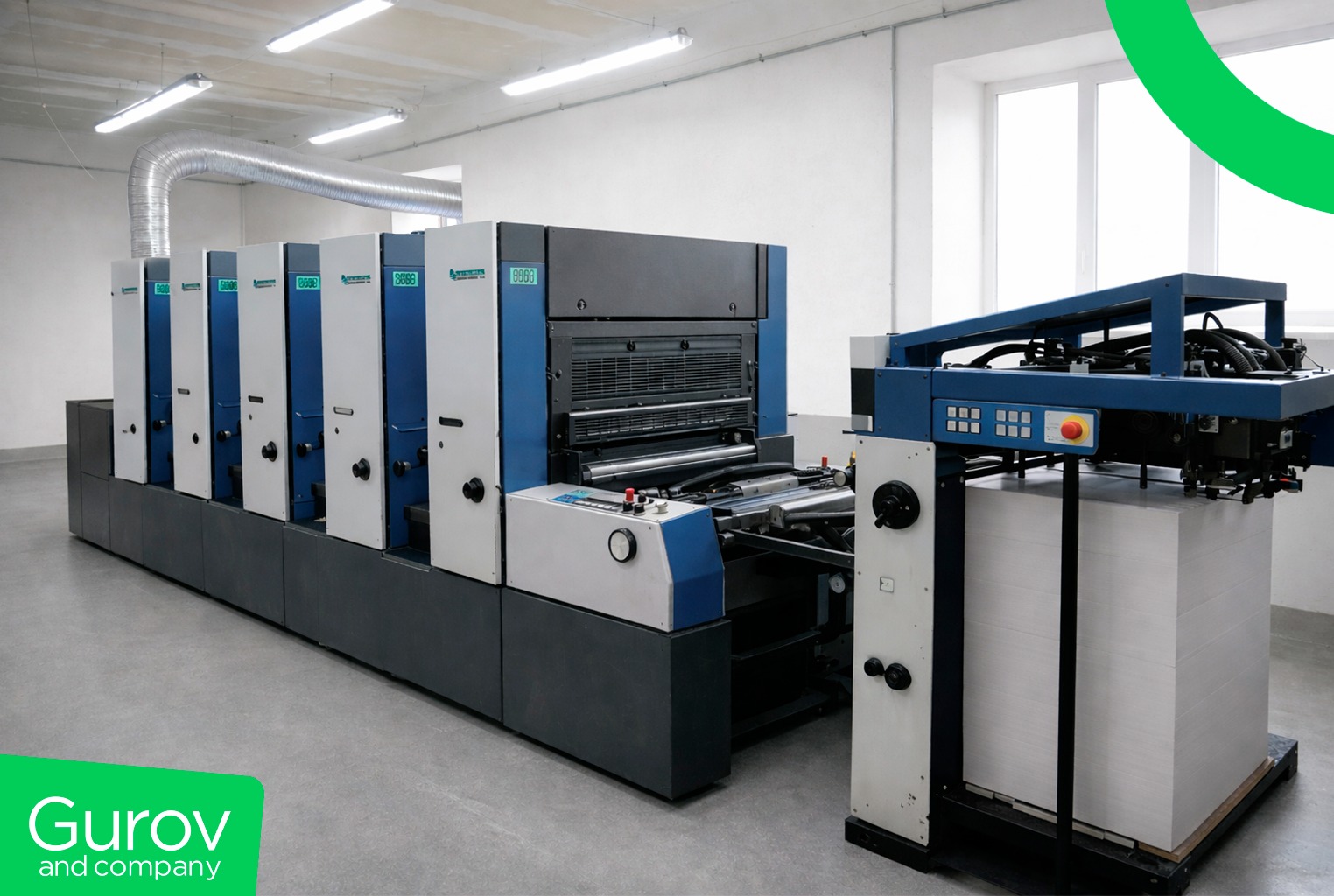
In Kharkiv, a city that has endured sustained attacks since the early days of the war, the printing company Gurow & K is one such example.
For nearly two decades, the firm had built a nationwide distribution network. That changed on 20 March 2024, when a Russian missile struck its production facility, causing losses estimated at almost €1 million (₴41 million).
The damage was immediate. But so was the response.
The company had worked with KredoBank since its founding, and when the time came to rebuild, it turned to a familiar partner.
“After the missile strike, we reached out to our partners for support in purchasing new equipment,” said Viktoriia Zubkova, the company’s lawyer.
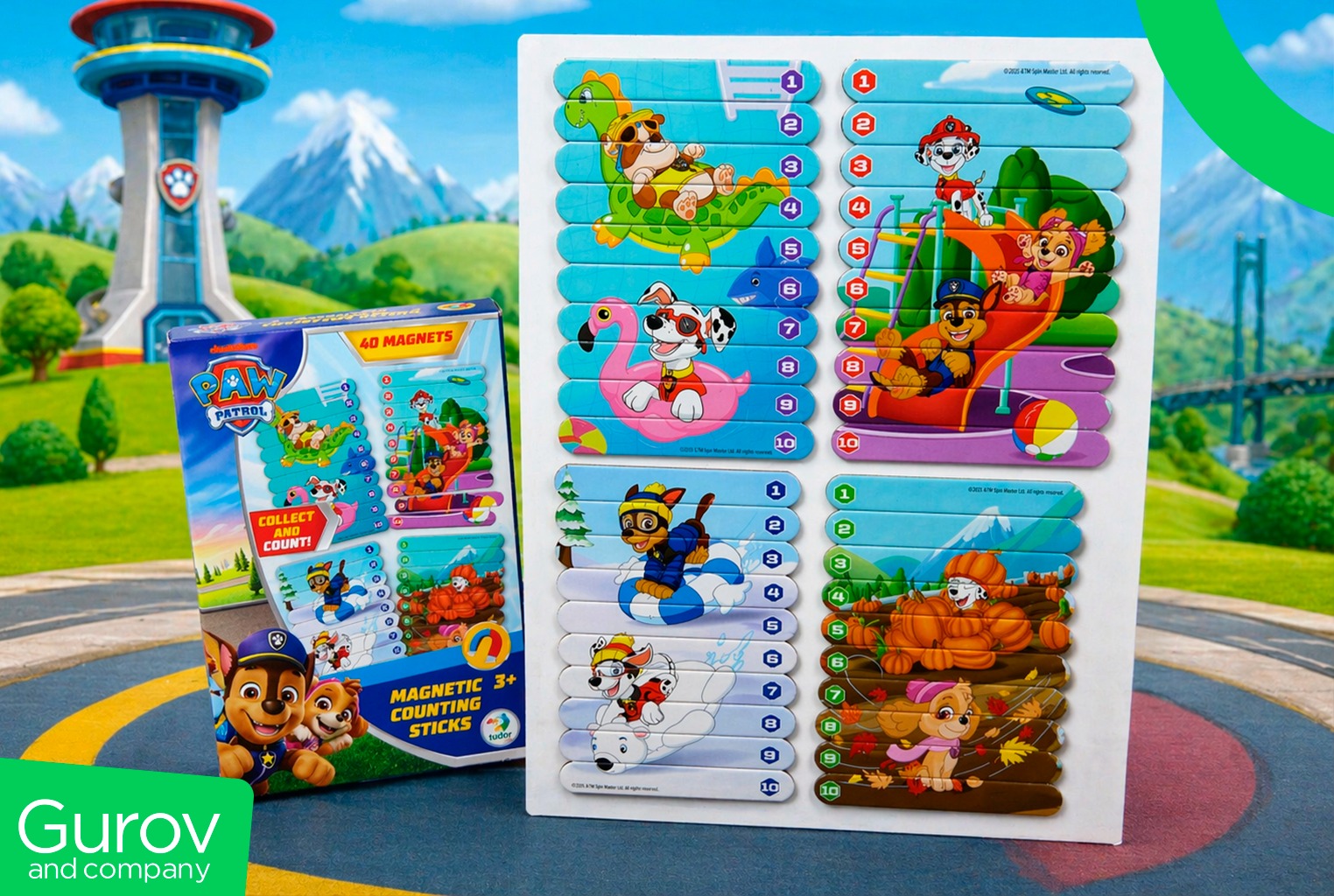
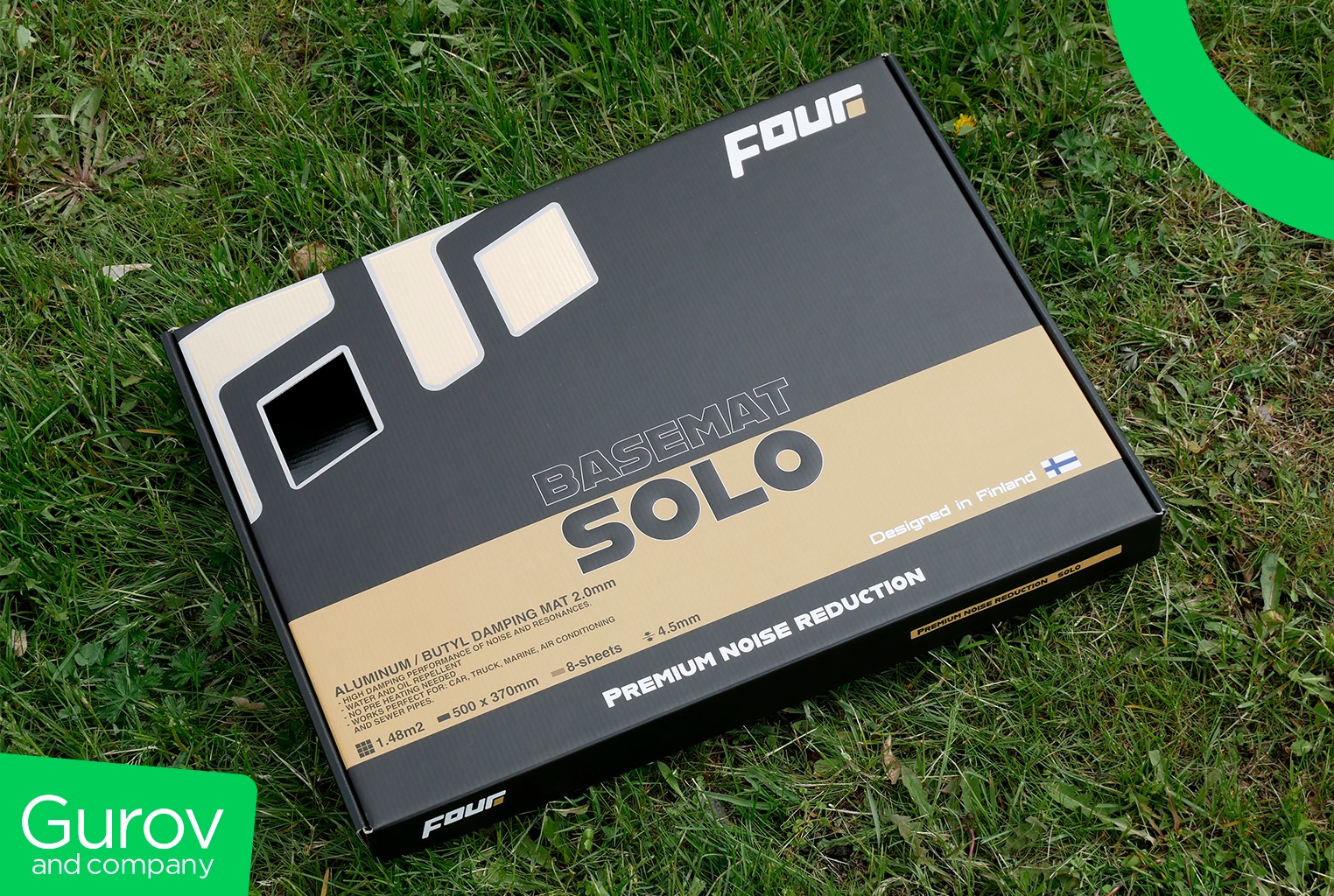
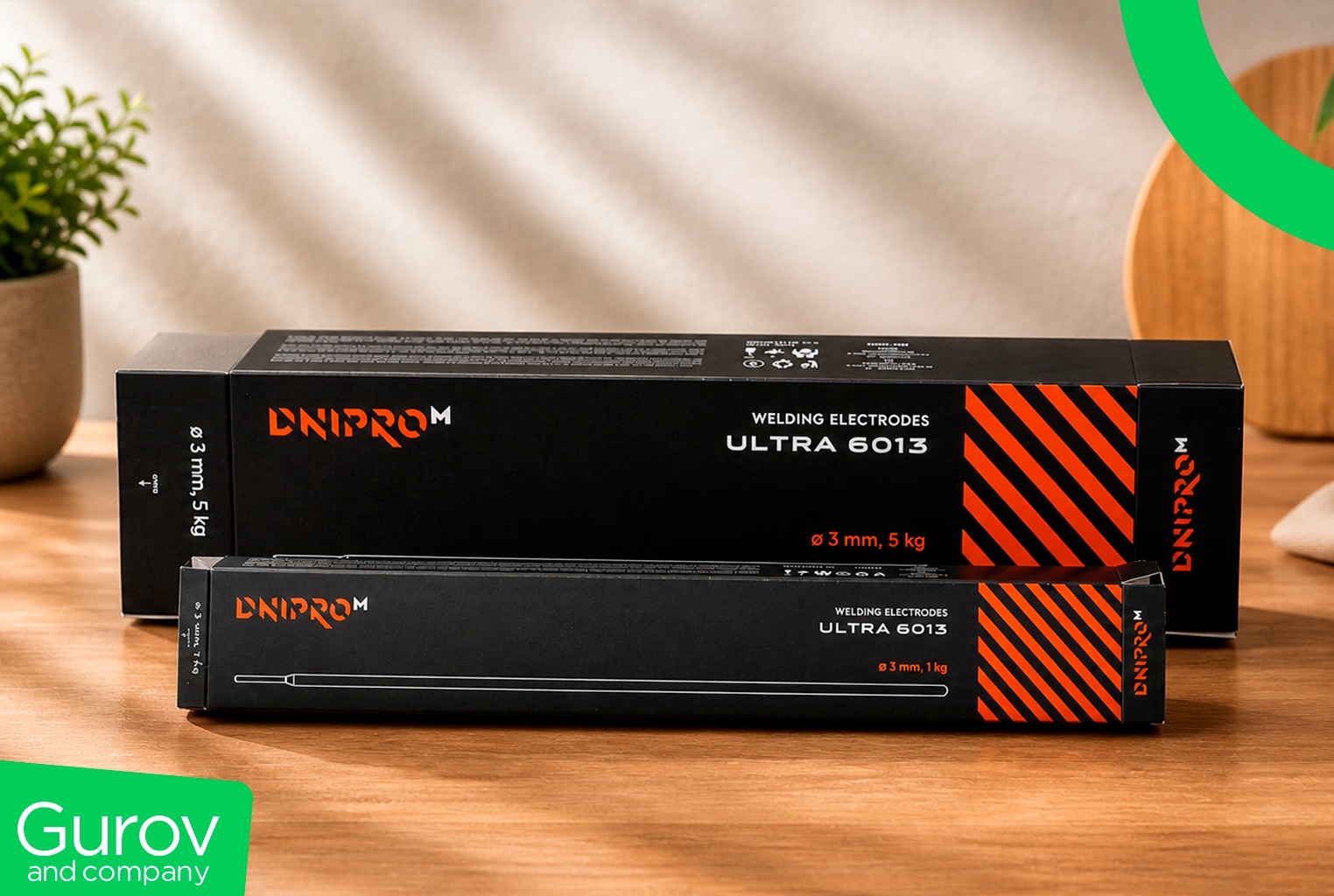
With financing secured, Gurow & K was able to replace critical machinery and restore operations. The new equipment allowed the company to bring production processes back in-house, reducing reliance on contractors, shortening fulfilment times and re-establishing its full production cycle – from initial design to finished print products.
Today, 72 employees are back at work. The company’s next goal is to return to pre-war production levels.
Finance as a lifeline – and a lever for growth
Gurow & K received support under the broader EU4Business initiative, which brings together EU-funded programmes aimed at strengthening economic resilience across the EU’s eastern neighbourhood.
Through a guarantee programme implemented by KredoBank – backed by the European Union as part of its EU4Business Initiative in partnership with the Polish Development Fund – 229 Ukrainian companies have accessed more than €52 million in financing. Notably, over 60% of these businesses operate in high-risk regions.
For many, this support has been the difference between closure and continuity.
For others, it has opened a path to expansion.
Scaling amid uncertainty
Yarofruit, a Ukrainian producer specialising in frozen vegetables, berries and fruit, had already established an export business spanning more than 26 countries across Europe and beyond. But maintaining that trajectory during wartime required liquidity – particularly ahead of the harvest season.
The company turned to KredoBank priving financial support under the EU’s EU4Business programme for working capital.
With access to credit, Yarofruit increased its procurement of raw materials and expanded export volumes. At the same time, the company invested internally – raising salaries, strengthening staff retention, and improving safety conditions at its production facilities.
“We also addressed staff motivation, increased wages, invested in training and improved safety at the plant,” said director Vitalii Sydorenko.
Today, the company employs more than 100 people, including two war veterans. Its ambitions remain firmly outward-looking: to strengthen its position in European markets and become a category leader in Ukraine.
“For me, being an entrepreneur today means contributing to our victory,” Sydorenko said. “Today’s work is tomorrow’s defence capability.”
Resilience, redefined
Stories like these are becoming increasingly common across Ukraine’s private sector. In a wartime economy, resilience is no longer simply about enduring shocks. It is about maintaining operations, restoring capacity and, where possible, continuing to invest.
For companies like Gurow & K and Yarofruit, access to finance has played a critical role – not only in recovery, but in enabling forward momentum under conditions that remain anything but stable.
In that sense, rebuilding is no longer just about what was lost. It is about what comes next.